Rocks and Fossils 11: Bayle Bone Bed
Hippos, elephants, mammoth, oxen, red deer and rhinoceros!
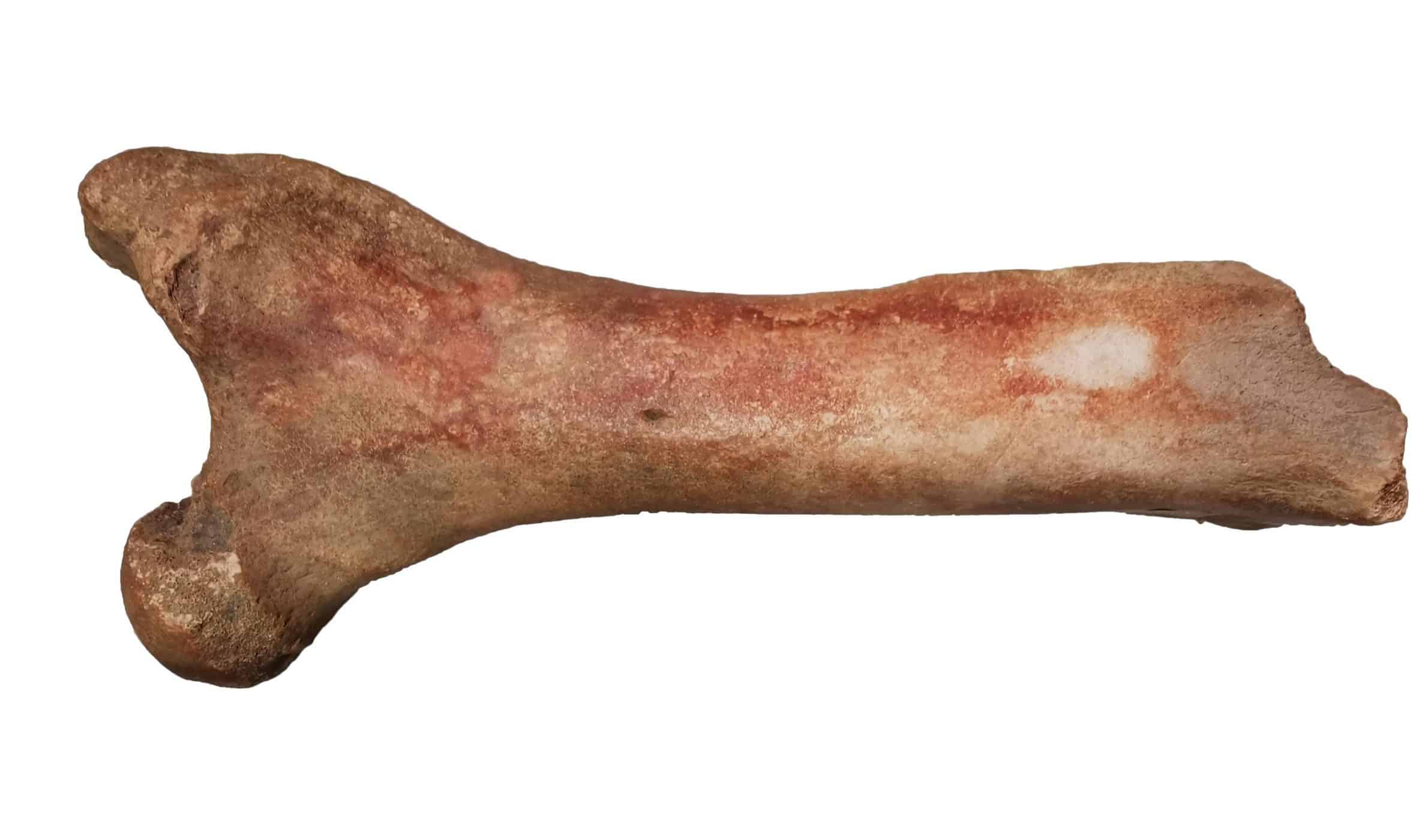
This is a hippo femur (thigh bone).
The ice ages over the last 2.5 million years carved out the landscape of the Folkestone area.
About 40,000 years ago mammoths and other Ice Age animals lived here and Britain was joined by a land bridge to France.
During warm periods, in between the Ice Ages, other animals such as hippos and elephants lived in Kent.
Many of their bones have been discovered in the Bayle Bone Bed.
The Bayle Bone Bed is a layer or bed of earth rich in fossils from these periods, in the centre of Folkestone.
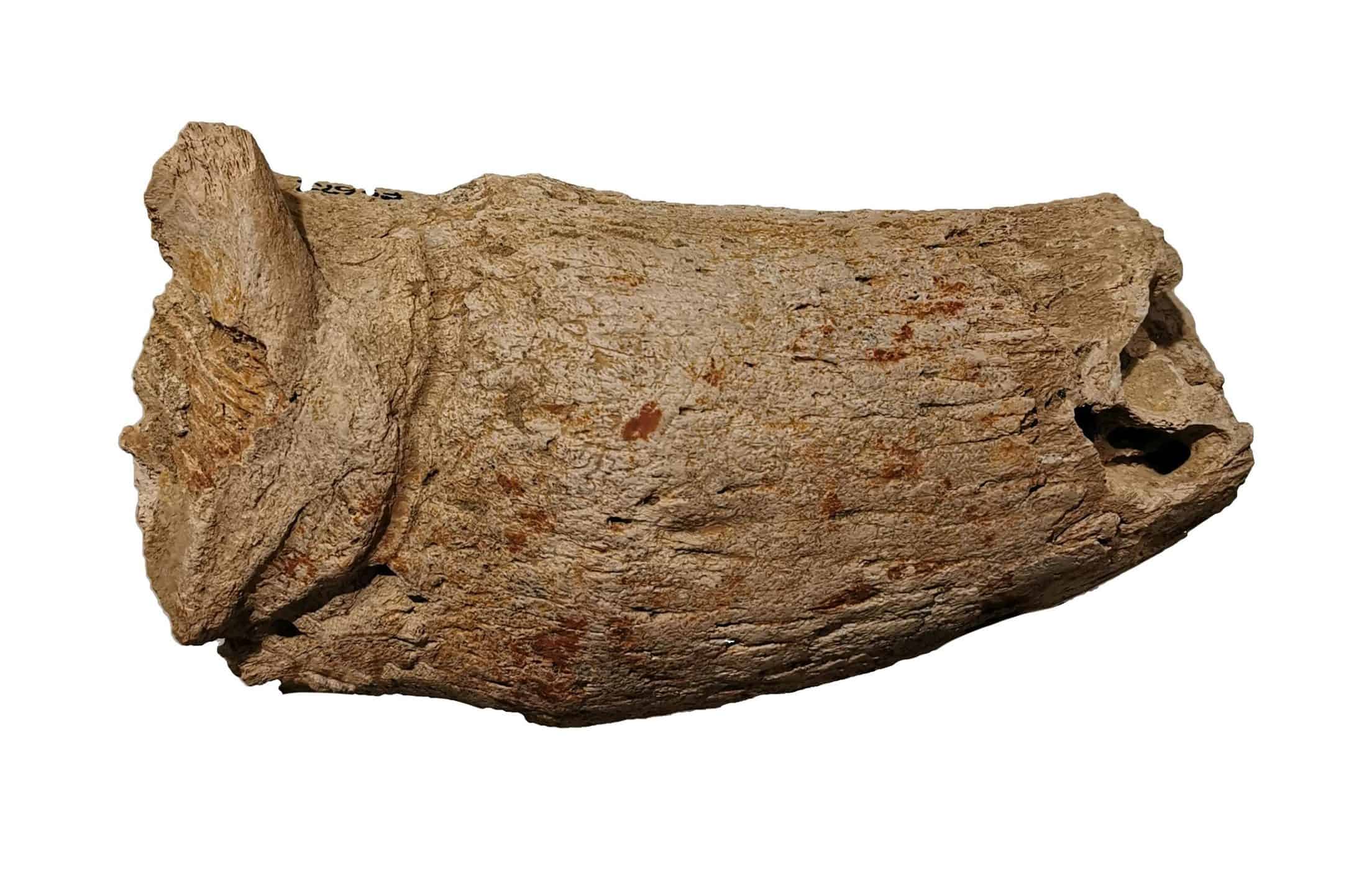
It’s an ox horn core (the inside of an ox horn after the outer horn has been removed).
The ox is a breed of cattle. Oxen are very strong, with large horns.
Did you know?
Wild oxen were tamed and used by prehistoric, Roman and medieval farmers to pull carts and ploughs.
Accession number F2673
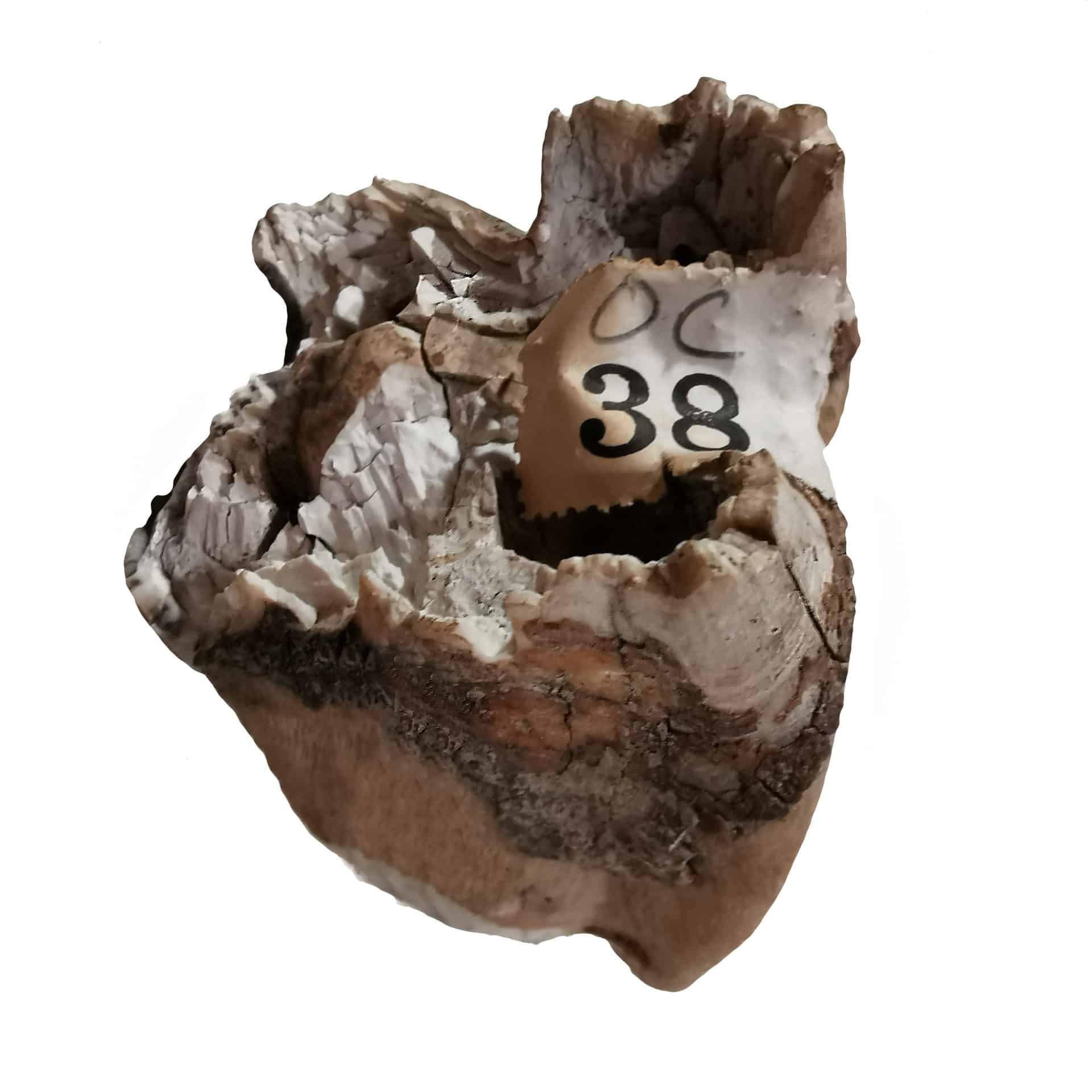
This is the fossil of a prehistoric rhino tooth.
Narrow-nosed rhinos lived here in the warm periods in between the Ice Ages. They foraged forest areas and open grassland.
The woolly rhino, which was much better adapted to cold weather, lived here during the Ice Ages, when most of Britain was covered all year round in ice and snow.
There is evidence from Jersey that they were hunted or scavenged by prehistoric people.
Accession number F2696.1
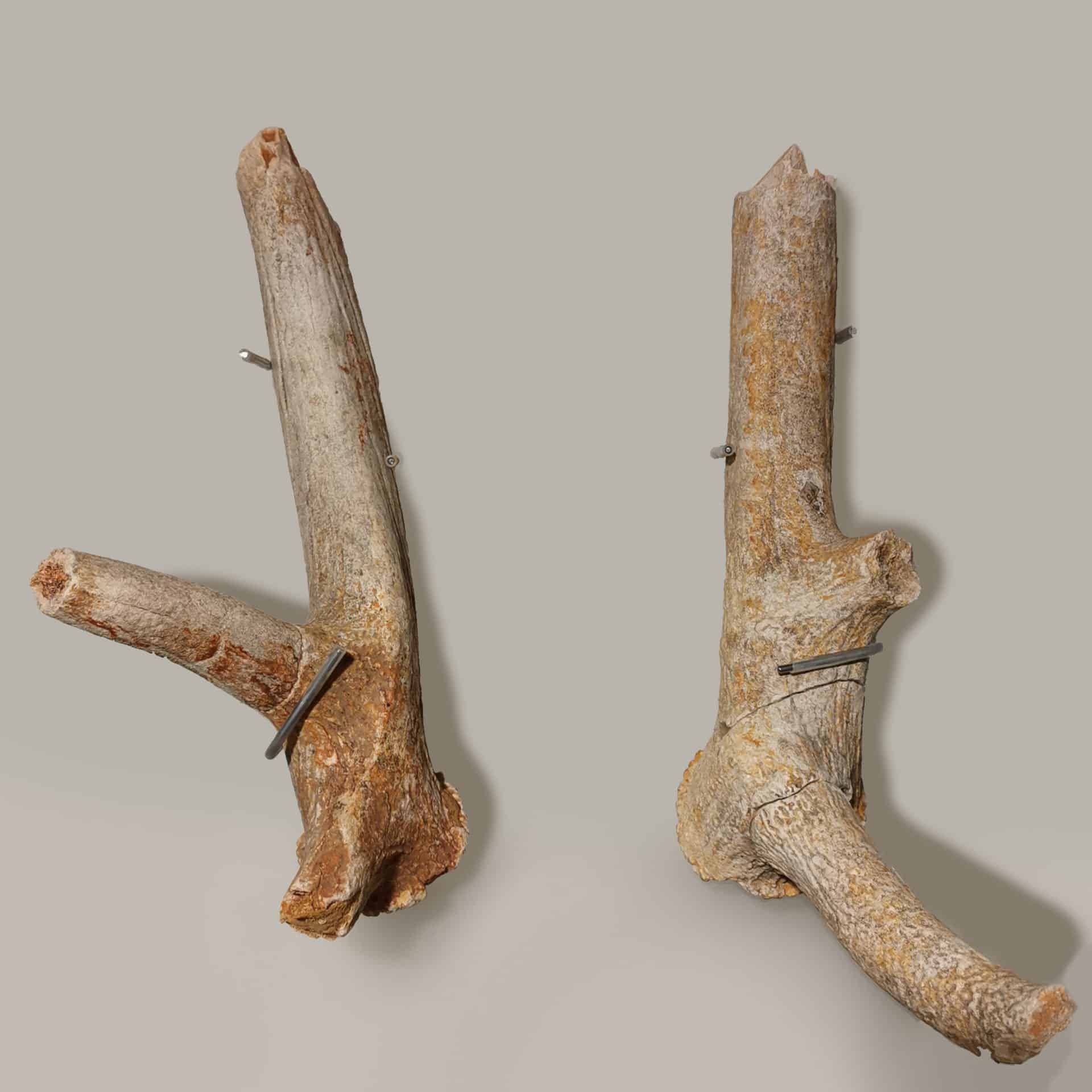
These are antlers from a red deer. In the autumn, red deer stags fight each other with their antlers. This is called the rut. The stags that win get to breed with the females.
Prehistoric people hunted red deer with bows and arrows, for their meat. They also used deerskin for clothes and blankets and carved their antlers into all sorts of useful objects.
Did you know?
Red deer still live wild in the UK today, most of them in the Highlands of Scotland.
Accession number F2691.