
WW1 14: Chinese Labour Corps
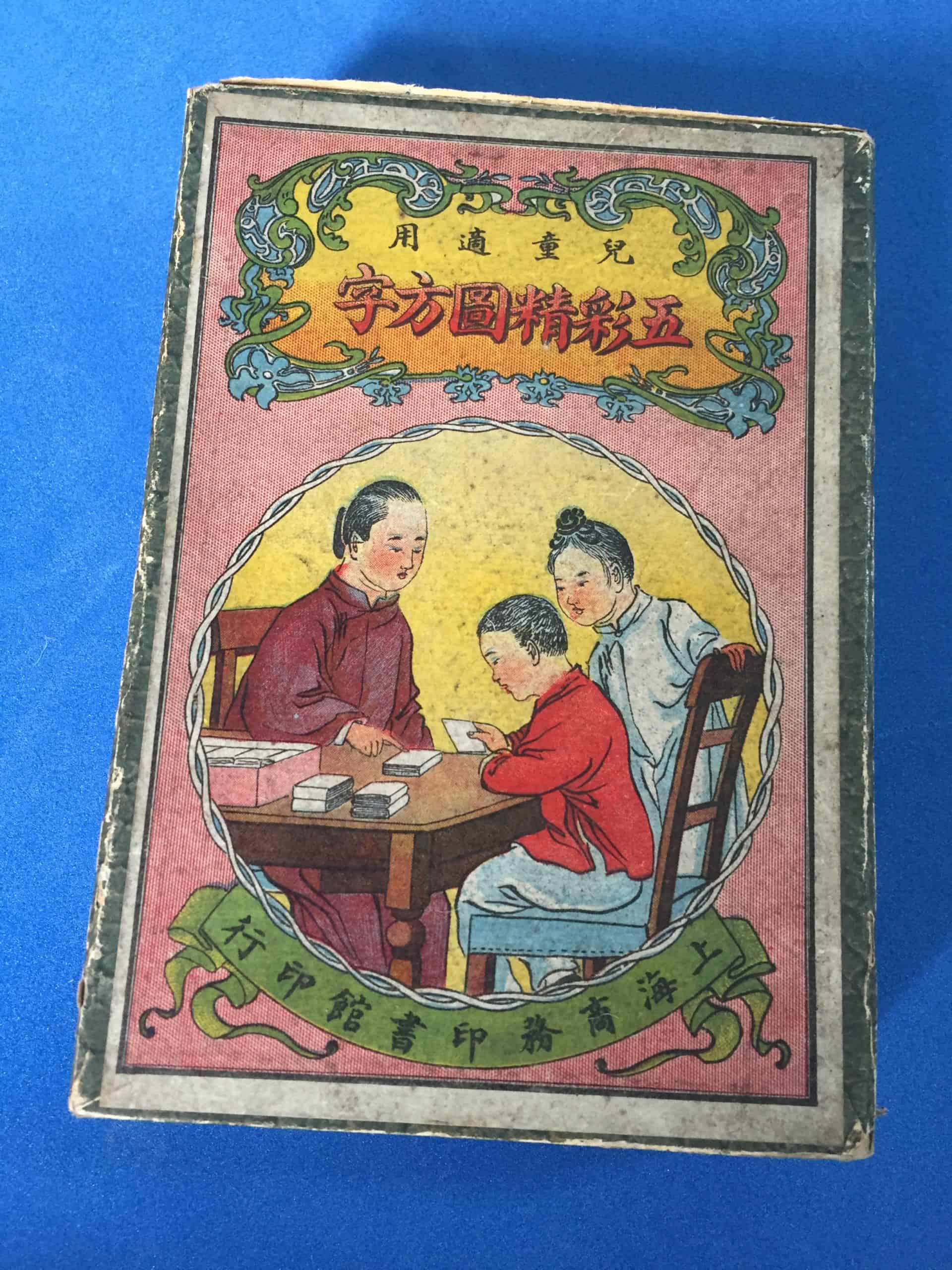
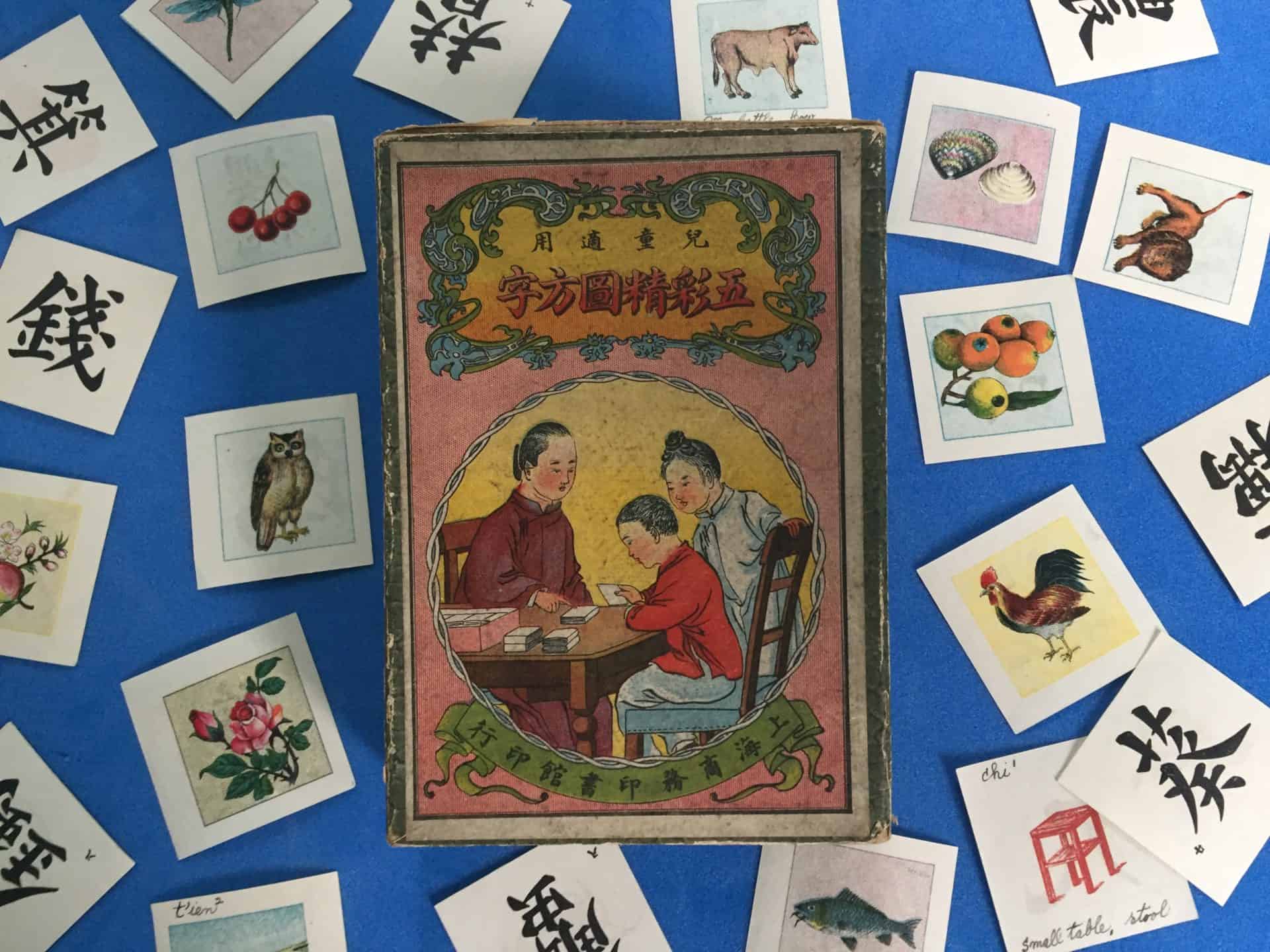
This is a game to help you learn Mandarin Chinese.
The box contains hundreds of squares of printed paper, each with a picture of an object on one side, and the name of it, written in Chinese characters on the other.
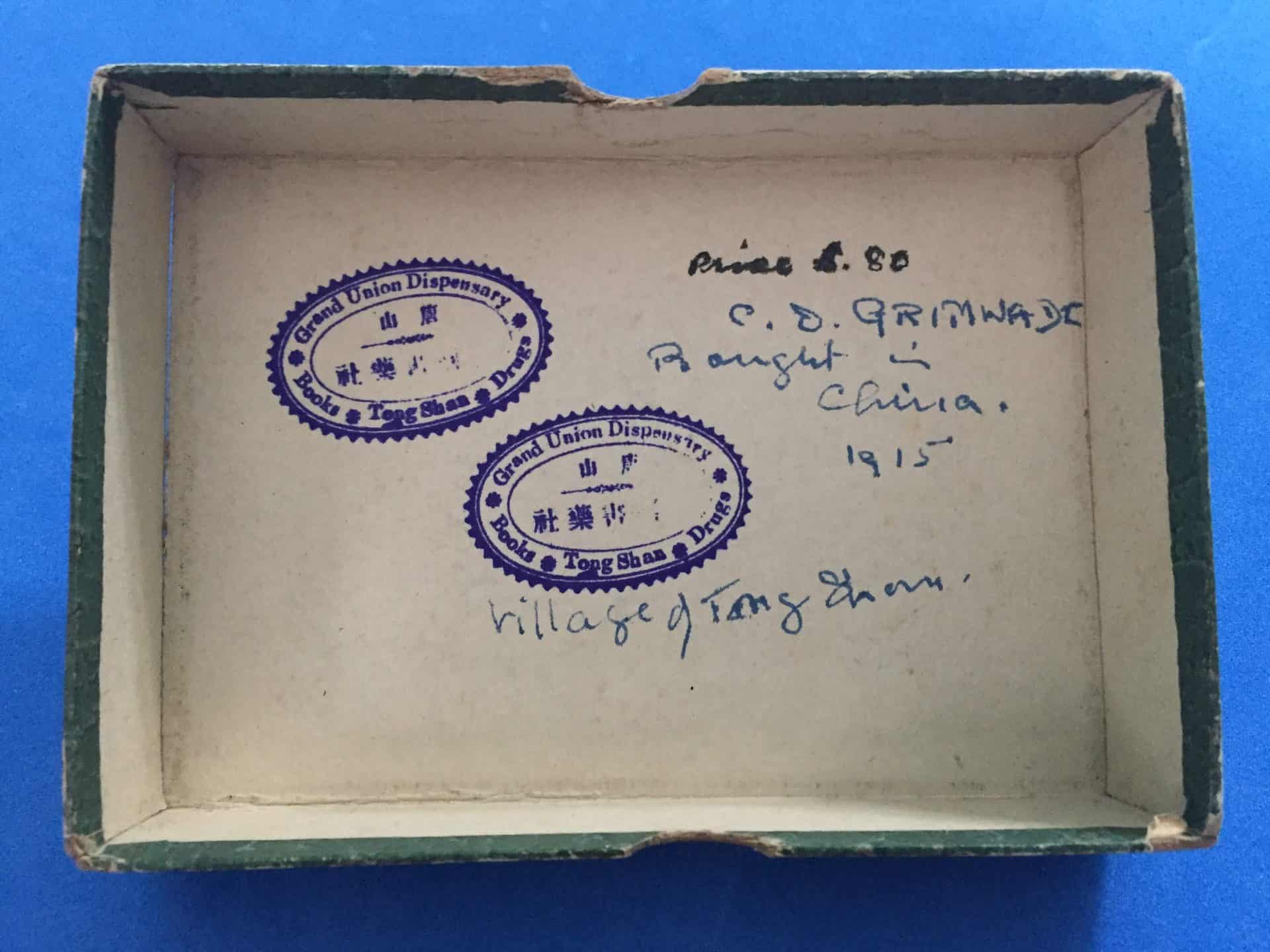
The game was bought in the village of Tong Shan, China by a British visitor, C D Grimwade, during the First World War in 1915.
World War 1 involved people from over 100 countries round the world, and many came to Britain from across the world to fight or to work.
Learning other languages was important to help people communicate.
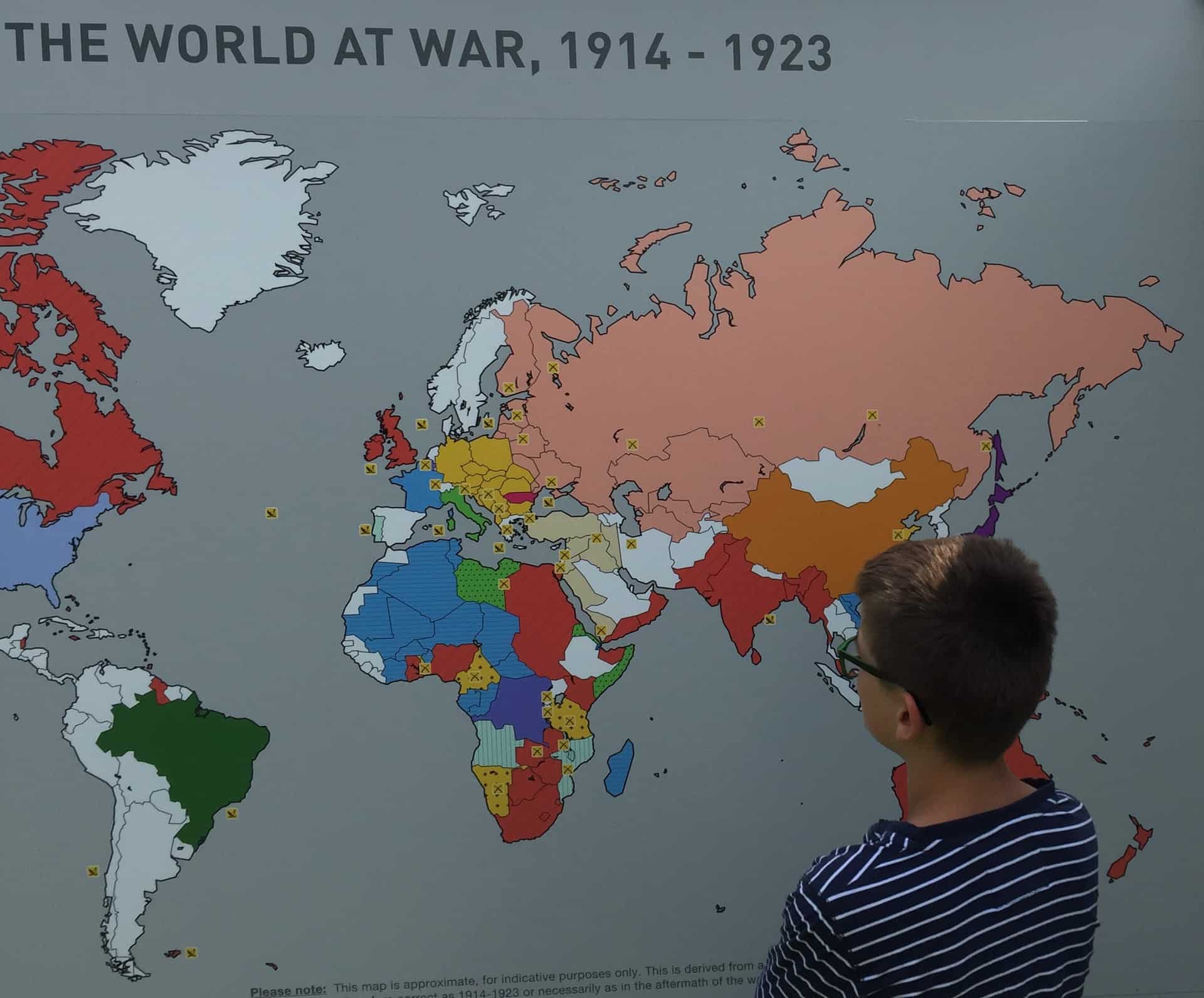
All the countries marked in colour fought in World War 1.
Thousands of Chinese labourers ended up living and working in Folkestone.
As World War 1 progressed the allies needed more and more men to carry out important jobs, including repairing vehicles, mending roads and railways and loading and unloading ships and trains.
One solution was to bring in cheap labour from abroad.
From 1917 onwards, over 100,000 workers were recruited to join the Chinese Labour Corps.
Following a long voyage from China to the UK, most of these men passed through Folkestone before they crossed the Channel to France.
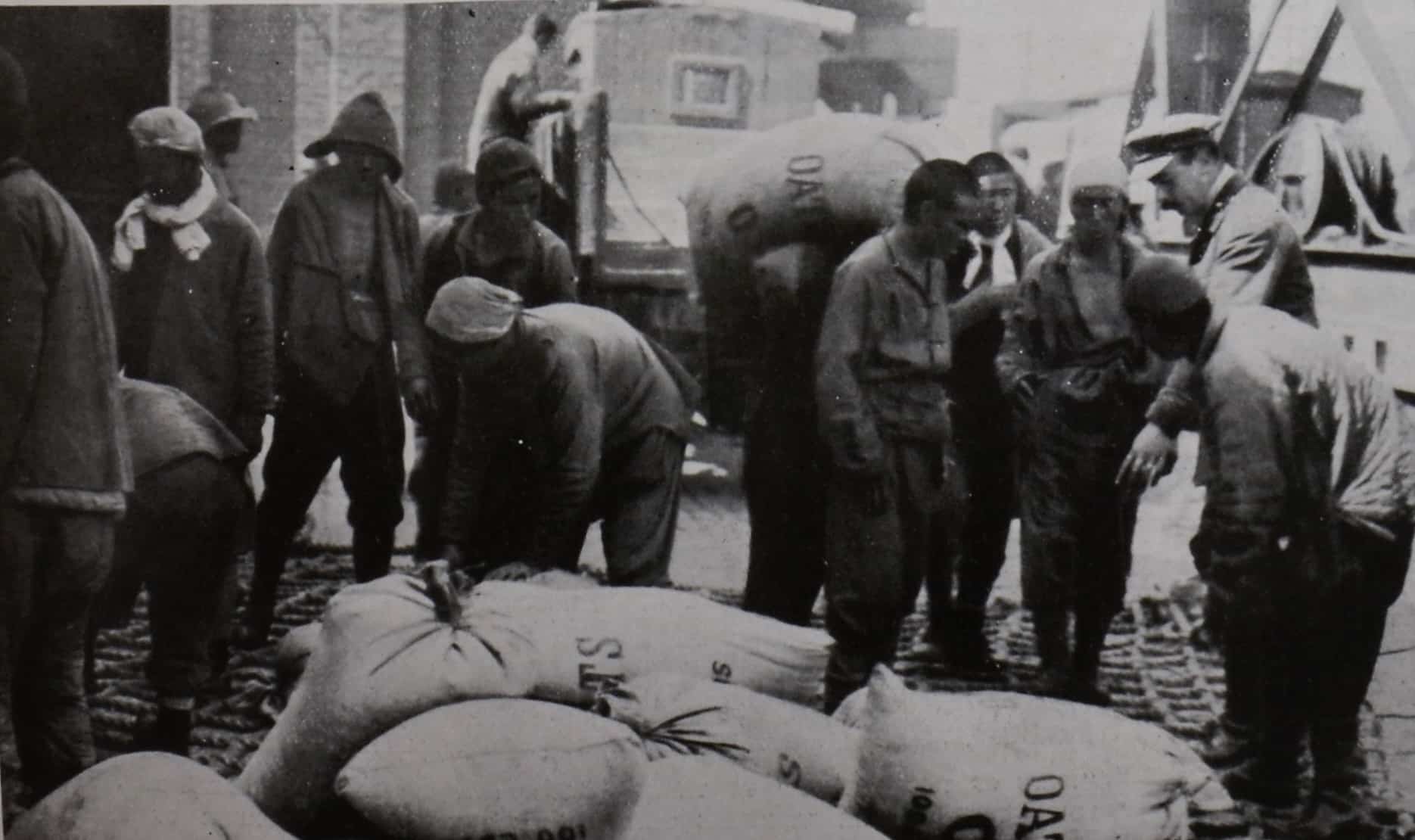
These Chinese workers are unloading sacks of oats.
In Folkestone, a large camp was built for them beside Cherry Garden Lane.
Approximately 2,000 of them lived in the town, employed in military hospitals and at Shorncliffe Camp.
It was hard work for little money, but there is evidence the workers kept their own colourful traditions as this extract from a letter home reveals:
To my wife Zhilan,
On the 13th it was the Duanyang Festival (Dragonboat Festival) and we had the day off. The workers put on the Yangke Dance (a northern Chinese peasants’ dance) along the street. It was a very good show…
Your clumsy husband
Zhong Yangchong
Did you know?
Sadly over 10% of the Chinese Labour Corps never made it home. Many died of sickness and disease, including during the terrible Spanish Flu pandemic of 1919. Six of them are buried in Shorncliffe Military Cemetery.